Common questions
What is the difference between osteoarthritis and rheumatoid arthritis?
Osteoarthritis is gradual damage to the joint, more common with age, injury and excess weight, and tends to affect the knees, hips, hands and shoulders. Rheumatoid arthritis is an inflammatory condition in which the immune system attacks the joints, often affecting several joints on both sides of the body, with morning stiffness lasting more than about 30 minutes. It needs specialist drug treatment, usually from a rheumatologist.
Can arthritis be cured?
There is no cure for osteoarthritis, but there is a lot that can be done. Pain can often be eased with exercise, weight management, medicines, joint injections and, for some people, PRP or nerve treatments for the joint, and many people stay active for years. Inflammatory arthritis is treated with specialist medicines that control the immune system.
Do I need an X-ray or MRI for arthritis?
Often an examination is enough, and an X-ray is the usual first test. It shows joint space loss and bone changes, but the amount of change does not always match your pain. An MRI or ultrasound is used in selected cases, for example if another problem such as a tendon or cartilage injury is suspected.
What is joint denervation, and who is it for?
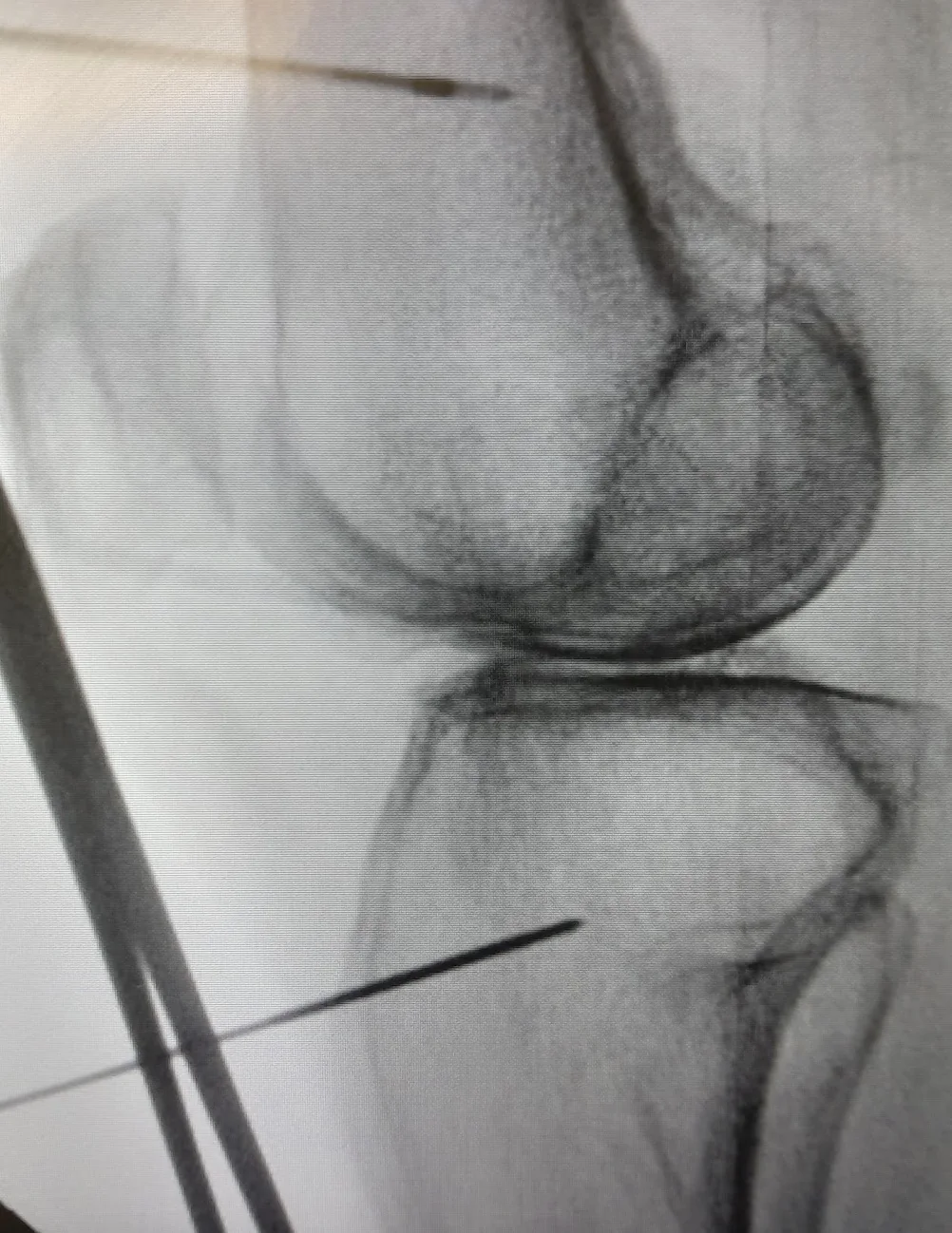
Joint denervation uses radiofrequency heat, guided by X-ray, to interrupt the small sensory nerves that carry pain from a joint, most often the knee, hip or shoulder. It may be considered for long-standing arthritis pain when medicines, exercise and injections have not helped enough, or when surgery is not suitable. Relief varies between people. The nerves can regrow, so the treatment can sometimes be repeated.
Will I need a joint replacement?
Many people with arthritis never need one. Joint replacement is usually considered for severe arthritis when pain and function remain poor despite other treatment. If you are unsure, an assessment can help you understand your options.
Does insurance cover interventional pain treatments in Singapore?
Interventional pain procedures are covered by the Ministry of Health's Table of Surgical Procedures (TOSP). They are therefore usually claimable under Integrated Shield Plans and most corporate insurance plans, subject to your plan's terms. However, it is advisable to obtain preauthorisation from your insurer before the procedure. Our clinic staff will guide you through this process.