
Disc Herniation
- Home
- Disc Herniation

Disc Herniation: Causes, Symptoms and Treatment in Singapore
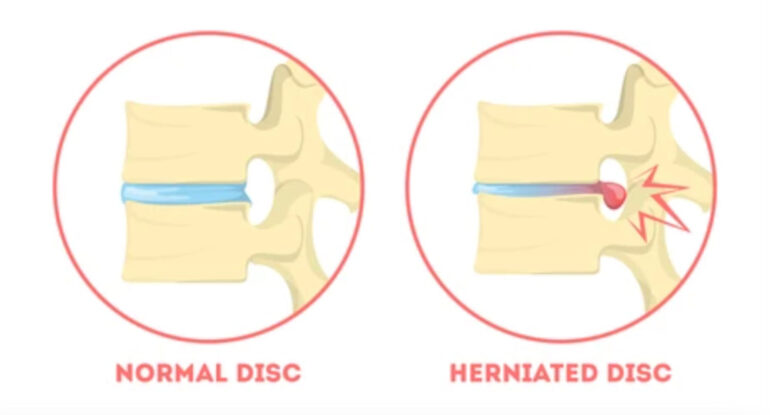
A prolapsed intervertebral disc, also known as a herniated disc, occurs when the soft inner core of a spinal disc (the nucleus pulposus) pushes through a tear or rupture in the outer layer (the annulus). This can cause pain, inflammation, and pressure on nearby nerves. Most commonly, herniated discs affect the lumbar spine (lower back), but they can occur anywhere along the spine, including the cervical (neck) and thoracic (upper back) regions.
What Causes Disc Herniation?
Disc herniation can result from a sudden injury or gradual wear and tear on the spine. In younger individuals, it is often caused by a sudden strain, such as lifting a heavy object. In older individuals, the discs naturally degenerate over time, losing flexibility and water content, making them more prone to rupture with even minor movements.
Risk factors for herniated discs include:
- Age (most common in people aged 30–50)
- Genetics
- Occupation (especially physical labor or repetitive motions)
- Obesity
- Poor posture
- Smoking
- Improper lifting techniques
Symptoms of Disc Herniation
Symptoms vary depending on where the herniation occurs:
Cervical Spine (Neck) Herniation:
- Neck pain
- Pain, tingling, or numbness radiating into the arms
- Weakness in the arms or hands
Lumbar Spine (Lower Back) Herniation:
- Lower back pain
- Pain, tingling, or numbness radiating into the legs
- Weakness in the legs
When Should You See a Pain Specialist?
If you have symptoms of a herniated disc, it's important to see a Pain Specialist. They will assess your condition, rule out any serious underlying causes, and provide a treatment plan. If your pain lasts more than 4–6 weeks, or if you experience worsening symptoms, your doctor may recommend additional tests, like X-rays or MRI scans.
Diagnostic Tests for Disc Herniation
While not all cases require imaging, if your symptoms are severe or persistent, your doctor may suggest:
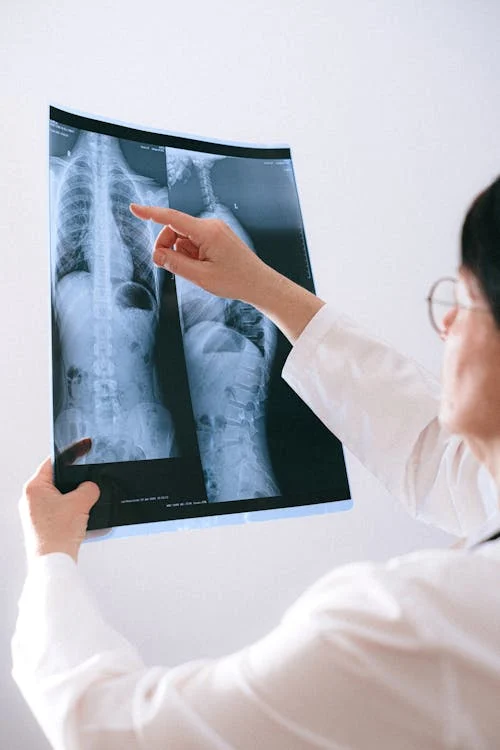
- X-rays to assess bone alignment and rule out fractures
- MRI scans to examine soft tissue and identify disc herniation
- CT scans for more detailed images of the spine
- Nerve conduction studies or EMG to evaluate nerve function
- Diagnostic nerve blocks to pinpoint the exact source of pain
How Are Herniated Discs Treated?
Most herniated discs can be successfully treated without surgery. Herniated disc treatment in Singapore typically follows a step-by-step approach, starting with conservative care before moving to minimally invasive options if needed.
In the majority of cases, the first step in treating a herniated disc involves conservative care. This typically includes limiting activities that strain the spine, such as heavy lifting or bending, while encouraging gentle low-impact exercises, like walking, to maintain mobility. Bed rest is generally not recommended, as staying active can help speed up recovery. Over-the-counter anti-inflammatory medications (such as ibuprofen) are often used to reduce pain and swelling. In addition, physical therapy can be an effective treatment, focusing on strengthening the muscles around the spine, improving posture, and restoring flexibility. These methods are usually sufficient to manage pain and support healing.
Conservative Care
The first step usually involves:
- Limiting activities that strain the spine such as heavy lifting or bending
- Gentle low-impact exercise such as walking to maintain mobility
- Over-the-counter anti-inflammatory medications such as ibuprofen to reduce pain and swelling
- Physical therapy to strengthen the muscles around the spine, improve posture, and restore flexibility
Bed rest is generally not recommended, as staying active helps speed up recovery.
Minimally Invasive Treatments
If symptoms persist for more than a few weeks or worsen, your specialist may recommend:
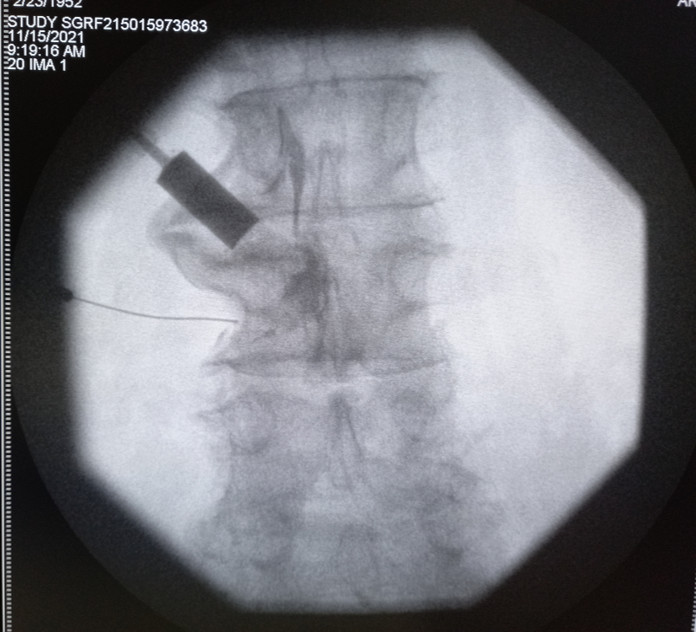
- Epidural Steroid Injections: A potent anti-inflammatory medication delivered directly around the affected nerves to reduce swelling and pain, often providing significant relief
- Nucleoplasty: A procedure that targets the herniated disc to shrink the bulging portion and relieve pressure on the nerves
For most patients, these treatment options are effective in managing symptoms and preventing further damage. Surgery is usually only considered when conservative treatments have not worked after several months, or when there are serious complications such as nerve damage.
Do Not Let Disc Pain Hold You Back
Disc herniation can be disruptive, but with the right treatment, most patients are able to return to their daily activities without surgery. At Alleviate Pain Clinic, we offer a comprehensive range of treatment options for those seeking a herniated disc specialist in Singapore, from conservative care through to minimally invasive interventions, all tailored to your specific condition.
Meet Your Herniated Disc Specialist
Dr Christopher Liu is a pain specialist with extensive experience in diagnosing and treating neck and back pain conditions. He offers a range of minimally invasive procedures to effectively manage disc-related pain and improve patients’ mobility and quality of life.
Understand Symptoms, Causes, and Solutions of Frozen Shoulder
What is Frozen Shoulder?
The shoulder joint is where the shoulder blade (the bone in your upper back) and the upper arm bone meet. It's surrounded by a protective covering called a joint capsule, and inside it is a slippery fluid called synovial fluid. This fluid helps the shoulder move smoothly and without pain. The exact cause of frozen shoulder isn't fully understood, but it’s believed to involve both inflammation and the thickening of the tissue around the shoulder joint. This makes the shoulder stiff and painful, limiting its movement. It often happens without any obvious reason, but it can sometimes develop after an injury or when the shoulder is kept still for a long time (like when wearing a sling after a fracture).
What are the risk factors for frozen shoulder?
The following factors can increase the risk of developing frozen shoulder:
- Keeping the shoulder still for a long time (like wearing a sling)
- Rotator cuff problems
- Being less mobile because of an illness (like after a stroke or surgery)
- Health conditions like diabetes or thyroid problems
- Parkinson's disease
- Gender (women are more likely to get it than men)
- Age (it’s more common in people over 40)
What are the symptoms of frozen shoulder?
People with frozen shoulder often notice pain and stiffness in the shoulder that develops slowly over time. For many, the pain gets worse at night, making it hard to sleep on the affected side. Along with the pain, they may find it difficult to move the shoulder in different directions, which can interfere with daily tasks. The condition usually gets worse in stages, but not everyone will go through the stages in the same way. Stages of Frozen Shoulder:
- Freezing Stage (about 3 months) – This stage is mainly marked by pain, and the shoulder becomes harder to move.
- Frozen Stage (about 3 to 9 months) – The pain starts to go down, but the shoulder stays very stiff and still difficult to move.
- Thawing Stage – The shoulder gradually starts moving more easily, and everyday tasks get easier. Pain and stiffness usually improve, but there's a chance the problem could come back.
How do doctors diagnose this condition?
Frozen shoulder (also called adhesive capsulitis) is diagnosed based on your symptoms and a physical exam by a doctor. Sometimes, if the diagnosis isn't clear, the doctor may order extra tests like an MRI or ultrasound. However, these scans aren't usually needed to confirm frozen shoulder.
What are you treatment options?
Frozen shoulder usually improves on its own, but the process can be slow and take up to 3 years. Even after it gets better, some people may still have lingering symptoms. Treatment can help speed up recovery, and there’s some evidence that people who get treatment may have better long-term movement in their shoulder. Fortunately, most people with frozen shoulder can get better with non-surgical treatments, which include:
- Exercise or physical therapy
- Shoulder joint hydrodilatation (a procedure to stretch the joint)
- Corticosteroid injections into the shoulder
- Manipulation under anesthesia (a procedure where the shoulder is gently moved while you're asleep) In rare cases, if these treatments don’t work, surgery might be considered.
What is Shoulder Hydrodilatation?
Hydrodilatation is a simple, minimally invasive treatment for frozen shoulder. It’s usually done in a clinic with a needle, although in more complex cases, it may be done in a special treatment room with X-ray guidance. The goal is to inject fluid into the shoulder joint to stretch the thickened joint capsule, help reduce inflammation and improve movement, and it can be done at any stage of the condition. This procedure is very effective. Most people see a big improvement in their shoulder's range of motion after just one injection. It not only helps with movement but also relieves pain, which is important because pain can make it harder to stretch the joint and improve mobility. Recovery is usually quick, and most patients can return to normal activities the same day. It's also recommended to do stretching exercises to help with recovery. Hydrodilatation is generally safe when done by experienced specialists, but it’s important to talk to your doctor about the benefits, risks, and other options before deciding if it’s right for you.
Visit Today
You'll know the minute you arrive this is the place. We are here to surpass your desires.

Go To Top
Chat with us