Common questions
How long does frozen shoulder last?
Frozen shoulder can last up to 2 to 3 years if untreated. A small number of people have some lasting stiffness, although this seldom limits daily activities. Treatment aims to ease pain and help you keep your shoulder moving while it recovers.
Does frozen shoulder go away on its own?
Frozen shoulder is often self-limiting, but it can take a long time and it can be painful and disruptive in the meantime. Many people choose treatment to ease pain, improve sleep and keep movement while the shoulder recovers.
What is the difference between frozen shoulder and a rotator cuff problem?
In frozen shoulder, the joint itself is stiff, so the shoulder is limited whether you move it yourself or someone else moves it. Rotator cuff problems more often cause pain and weakness when lifting the arm, but the joint may still move freely. The two can occur together, so an examination is needed to tell them apart.
What is shoulder hydrodilatation and is it safe?
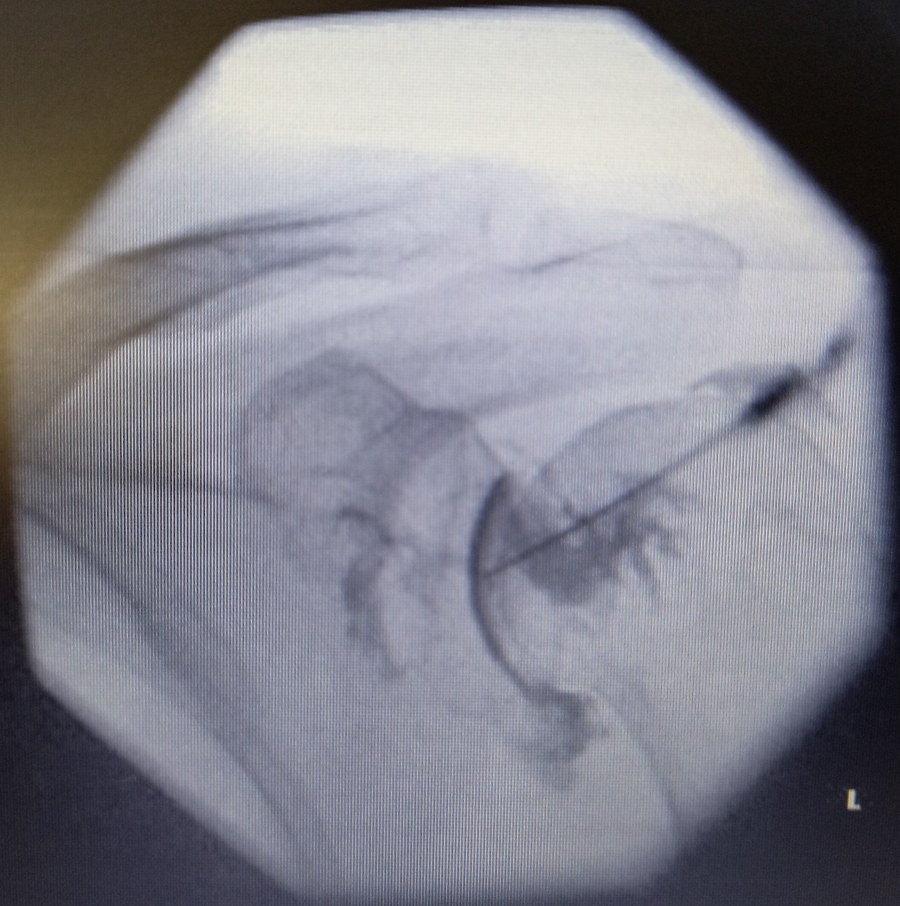
Hydrodilatation is an injection of a large volume of fluid with local anaesthetic into the shoulder joint to stretch the tight capsule. Reported side effects are mostly short-lived, such as flushing, dizziness and temporary arm numbness or soreness, but rare complications such as joint infection can occur. Dr Liu will explain the benefits, limits and risks before you decide.
Why does diabetes increase the risk of frozen shoulder?
Frozen shoulder is more common in people with diabetes, and it may also be more persistent. The reasons are not fully understood. If you have not been checked for diabetes, your doctor may suggest a blood sugar test.
Which treatment is best for frozen shoulder?
Many people do best with shoulder hydrodilatation followed by regular home exercises, which is the approach we often recommend. Hydrodilatation stretches the tight joint capsule and can ease pain and help the shoulder move again. A corticosteroid injection can also relieve pain and stiffness, particularly when it is started early, and exercises add to the benefit. Dr Liu will explain the options that suit you.
Can frozen shoulder come back or affect the other shoulder?
Frozen shoulder can develop in the other shoulder, and it can come back in the same shoulder, particularly in people with diabetes. See your doctor early if symptoms return, so that treatment can start sooner.
Which doctor should I see for frozen shoulder in Singapore?
A pain specialist is well placed to diagnose frozen shoulder and guide your treatment, from injections and shoulder hydrodilatation to an exercise plan. At Alleviate Pain Clinic at Farrer Park Hospital, Dr Christopher Liu, an MOH accredited pain specialist, will examine your shoulder, use in-clinic ultrasound where helpful, and explain the treatments we offer so that you can decide what is right for you.
Does insurance cover interventional pain treatments in Singapore?
Interventional pain procedures are covered by the Ministry of Health's Table of Surgical Procedures (TOSP). They are therefore reimbursable by all Integrated Shield Plans and most corporate insurance plans. However, it is advisable to obtain preauthorisation from your insurer before the procedure. Our clinic staff will guide you through this process.