
Peripheral Vascular Disease
- Home
- Peripheral Vascular Disease
Other Pain Conditions

Peripheral Vascular Disease (PVD): Symptoms, Causes, Diagnosis, and Treatment Options
What is Peripheral Vascular Disease (PVD)?
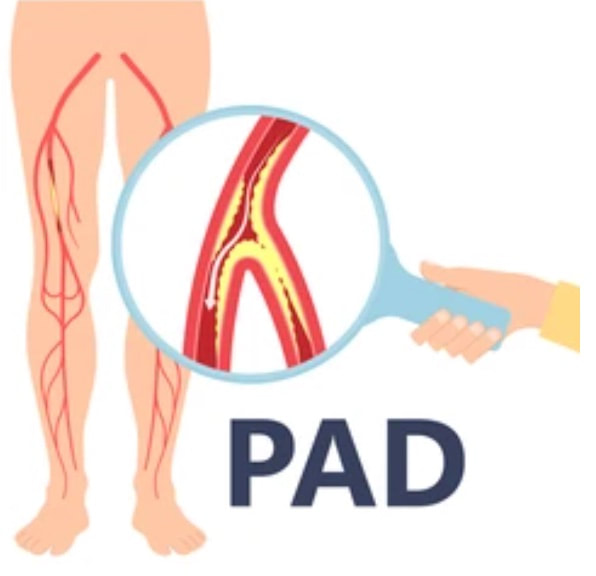
Peripheral Vascular Disease (PVD), also known as peripheral artery disease (PAD), refers to the narrowing or blockage of blood vessels outside the brain and heart, typically affecting the legs. Reduced blood flow due to PVD can lead to a range of symptoms, from leg pain and cramping to severe tissue damage. The most common cause of PVD is atherosclerosis, where plaque builds up in the arteries, though blood clots, inflammation, or other vascular conditions can also contribute.
What are the Risk Factors for Peripheral Vascular Disease?
Several risk factors increase the likelihood of developing Peripheral Vascular Disease (PVD), including:
- Smoking: A major risk factor for PVD and other cardiovascular diseases.
- Diabetes: High blood sugar can damage blood vessels, increasing the risk of PVD.
- Hypertension (High Blood Pressure): Can cause damage to arteries, contributing to PVD.
- High Cholesterol: Leads to plaque buildup in the arteries, restricting blood flow.
- Age: People over 50 are more likely to develop PVD.
- Family History: A history of vascular diseases or heart conditions can increase your risk.
- Obesity: Excess weight puts added pressure on blood vessels, contributing to poor circulation.
Common Symptoms of Peripheral Vascular Disease (PVD)
The symptoms of PVD can vary depending on the severity and location of the blockage. Common signs of peripheral artery disease include:
- Leg pain or cramping (claudication), especially during exercise or walking.
- Weakness or numbness in the affected leg(s).
- Coldness or changes in skin color (pale, red, or blue) in the legs or feet.
- Slow-healing sores or ulcers on the legs, feet, or toes.
- Erectile dysfunction in men, which may be related to poor circulation.
- Weak or absent pulses in the legs or feet.
How is Peripheral Vascular Disease Diagnosed?
Diagnosing Peripheral Vascular Disease (PVD) typically involves a physical exam, medical history, and several diagnostic tests, including:
- Ankle-Brachial Index (ABI) Test: A non-invasive test comparing blood pressure in the arms and ankles to assess circulation in the legs.
- Doppler Ultrasound: Uses sound waves to create images of blood flow in the arteries and identify blockages.
- CT Angiography or MR Angiography: Advanced imaging techniques that provide detailed images of blood vessels and help detect narrowing or blockages.
- Angiography: An invasive procedure where contrast dye is injected into the arteries, and X-rays are used to visualize blockages.
Treatment Options for Peripheral Vascular Disease (PVD)
Effective treatment for PVD-related pain usually involves a multidisciplinary approach, combining lifestyle changes, medication, and, in some cases, surgical intervention.
Conservative Treatments for PVD:
- Antiplatelet Medications: Drugs like aspirin or clopidogrel to prevent blood clots and improve circulation.
- Vasodilators: Medications that widen blood vessels to improve blood flow.
- Pain Relief: Over-the-counter pain relievers or prescription medications for managing discomfort.
- Lifestyle Modifications: Changes such as regular exercise, a healthy diet, and quitting smoking to improve overall circulation and reduce the progression of PVD.
Surgical Treatments for PVD:
When conservative treatments aren’t enough, more advanced procedures may be necessary, including:
- Angioplasty and Stenting: A procedure where a balloon is used to open narrowed arteries, and a stent is placed to keep them open.
- Bypass Surgery: Creating a new pathway for blood to flow around blocked arteries.
- Endarterectomy: Removal of plaque buildup from the arteries to restore normal blood flow.
Advanced Pain Management for PVD:
If conservative treatments do not adequately control pain, pain specialists may recommend:
- Prescription Pain Medications: Stronger pain relief options for persistent discomfort.
- Lumbar Sympathetic Block: An injection to relieve pain by improving circulation to the legs.
- Spinal Cord Stimulation: A technique to interrupt pain signals traveling from the legs to the brain.
Understand Symptoms, Causes, and Solutions of Frozen Shoulder
Visit Today
You'll know the minute you arrive this is the place. We are here to surpass your desires.

Go To Top
Chat with us