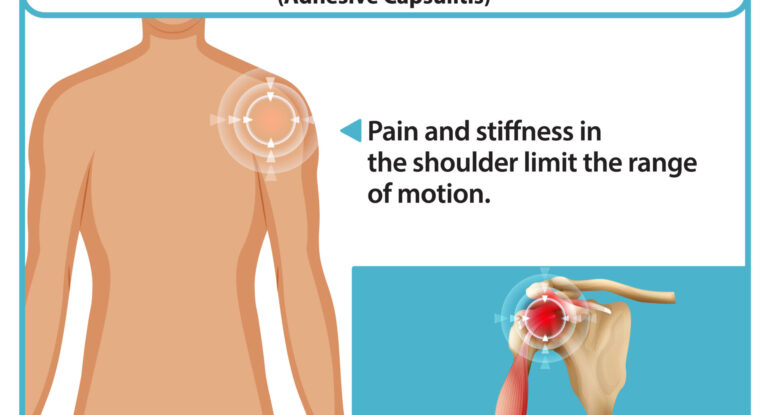
Frozen shoulder (or adhesive capsulitis) is a frustration and painful condition that affects the shoulder joint. Recovery can be slow, taking between 1 to 3 years. But with the right approach, you can return to full function. Frozen shoulder is often described to have three stages – painful, freezing and thawing stages. No matter which phase you are in, this guide walks you through what to do and what to avoid to maximize healing.
DO’s – What helps to heal a frozen shoulder?
- Stay Active – Once your doctor has confirmed that your condition is frozen shoulder, it is safe and even beneficial to resume activity, even if it causes pain. This is because immobility worsens the joint capsule thickening. But remember, do everything in moderation!
- Follow a structured exercise plan – For frozen shoulder, it is more important to be consistent in doing your prescribed exercises rather than pushing hard. The exercises for frozen shoulder are meant to slowly break up the adhesions in the joint and promote increasing range of motion of the shoulder joint.
- Use Heat before exercises – Warmth relaxes tight joint tissue and improves circulation. Apply a hot pack or take a warm shower before your exercises to improve results and reduce discomfort.
- Know when to get help – If your frozen shoulder is not improving, you should consult a pain specialist. In many cases, an injection known as hydrodilatation can help the pain settle quickly and improve your overall shoulder function.
DON’Ts – What worsens frozen shoulder?
- Don’t push through sharp pain – Some pain is acceptable. However, if your stretching triggers severe or lingering pain, you might be doing more harm than good. Try to stay within a range of motion that is slightly painful but not excessive.
- Don’t completely immobilize your arm – It is tempting to baby your shoulder. But total rest can result in more stiffness and delayed recovery. Gentle movement is key,
- Don’t rely on passive treatments – Massage, ultrasound or acupuncture may offer short-term relief but they don’t reverse frozen shoulder on their own. Active rehabilitation is key to your recovery.
- Don’t assume all shoulder pain is Frozen Shoulder – There are many pathologies that can cause shoulder pain – these range from arthritis to rotator cuff tears. It is important to get a proper diagnosis before starting exercises and treatment.
- Don’t lose hope – Frozen shoulder can feel endless sometimes. But many people regain good function. There are also effective treatments that can help you get well faster and better.
If you are suffering from a frozen shoulder, do not hesitate to make an appointment with Alleviate Pain Clinic in Singapore today.