
12 May 2026
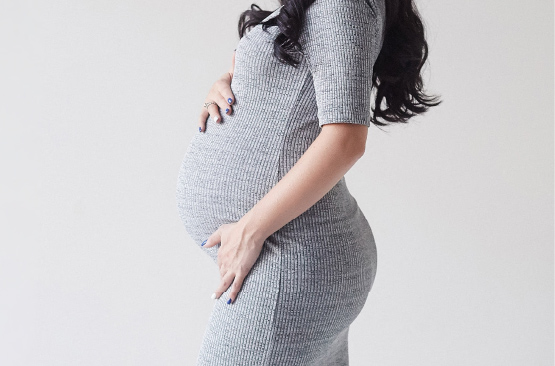
For many women, headaches may have been present before conception but become more frequent or intense during the early months due to hormonal fluctuations. The good news? As your body adjusts, pregnancy headaches in the second trimester and beyond often become less frequent and less severe for most patients.
Headaches are broadly categorised into two groups: primary and secondary.
Primary headaches are those that occur independently, without an underlying medical condition causing them. The most common examples include:
Secondary headaches signal an underlying health issue that requires attention. During pregnancy, conditions such as preeclampsia or cortical venous thrombosis can manifest as headaches. If your doctor suspects such a condition, you may need further evaluation through blood tests, urine tests, and imaging.
It’s worth noting that primary headaches are far more common than secondary ones, but it’s always important to stay vigilant.
If your headache in pregnancy feels mild and similar to headaches you experienced before becoming pregnant, simple self-care measures may provide relief:
One of the most common questions expectant mothers ask is: is Panadol safe for pregnancy? The short answer is yes. Paracetamol (also known as Panadol, Tylenol, or Acetaminophen) is considered safe to use during pregnancy, especially when taken occasionally or for short periods, and can be used at any stage.
You may have come across studies suggesting a link between paracetamol use in pregnancy and behavioural changes in children. However, experts have found these studies to be unreliable, and current recommendations remain unchanged – Panadol is safe for pregnancy and continues to be the preferred pain reliever for expectant mothers.
NSAIDs (non-steroidal anti-inflammatory drugs) such as Ibuprofen (Nurofen, Nuromol) and Naproxen (Aleve) are also available over the counter in Singapore. However, these are generally considered less safe during pregnancy than Paracetamol, so it’s best to speak with your doctor before taking them.
If your headaches persist or worsen despite self-care and over-the-counter medication, it’s important to consult a healthcare professional. A severe headache in pregnancy can sometimes be an early sign of preeclampsia, a serious condition that, if left untreated, may lead to seizures, bleeding complications, stroke, or harm to your baby.
If you’re struggling with ongoing or difficult-to-manage headaches, our headache specialist in Singapore can help. At our pain management clinic, we provide expert evaluation and pregnancy-safe treatment plans tailored to your needs, so you can focus on what matters most: you and your baby.
Chat with us