
Back Pain & Sciatica
- Home
- Back Pain

Back Pain: Understanding Causes and Treatment in Singapore
Overview of Back Pain
Back pain is a common issue, with around 80% of people experiencing low back pain at some point in their lives. While most cases resolve on their own, the discomfort can still be significant and affect your day-to-day life. If your symptoms persist, our back pain specialist in Singapore can help identify the cause and guide you towards the right treatment.
Spine: Structure, Function, and Importance
The spine, also called the backbone or vertebral column, is the body's central support system. It runs from the base of the skull to the pelvis and is made up of small bones known as vertebrae. These vertebrae are stacked on top of each other, forming a flexible structure that helps us stand, move, and maintain posture.
The spine has several key functions. It supports the weight of the body and protects the spinal cord, a bundle of nerves that carries important messages between the brain and the rest of the body.
The spine is divided into different sections:
- Cervical spine (in the neck)
- Thoracic spine (in the upper and middle back)
- Lumbar spine (in the lower back)
- Sacrum and coccyx (at the base of the spine)
Each vertebra is separated by intervertebral discs, which act as shock absorbers, allowing the spine to be flexible and move smoothly. Surrounding the spine are muscles, ligaments, and tendons that help stabilize and support it, ensuring proper function.
Overall, the spine is a crucial part of the body, enabling movement, protecting the spinal cord, and providing the structural support necessary for everyday activities.
What Are the Causes of Back Pain?
The back is a complex structure made up of various components, many of which are rich in nerves. When any of these structures become injured or start to degenerate, they can lead to pain.
These structures include:
- Vertebrae (the bones of your spine)
- Discs (the cushioning between the vertebrae)
- Facet Joints (the joints that connect the vertebrae)
- Ligaments (the tissues that support and stabilize the spine)
- Muscles (the muscles that help with movement and support)
- Spinal Cord & Nerves (the communication pathway between your brain and body)
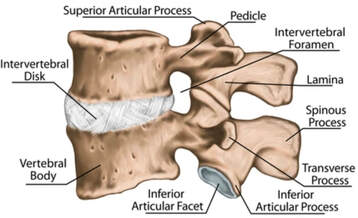
Any issue affecting these components, whether due to injury, wear and tear, or other conditions, can cause discomfort or pain in your back. Understanding these structures can help in identifying the source of pain and guide treatment options.
Back Pain and Its Associated Symptoms
Back pain is most commonly felt in the lower back, but it can occur anywhere along the spine, from the neck down to the bottom. It can develop with or without an obvious injury. In addition to general back pain, you may experience other symptoms, such as:
- Radiating pain that travels from the back or buttocks down to the feet
- Pins and needles or a tingling sensation in the legs
- Numbness in the legs
- Weakness in the legs, making it harder to move or bear weight
If you are experiencing any of these symptoms, consult with our doctor about your lower back pain at our pain clinic in Singapore to prevent further complications and support a smoother recovery.
When Should You Consult a Pain Specialist?
If your back pain lasts longer than 2 weeks or keeps recurring, it may be time to consult our pain specialist.
- Ruling out serious conditions that might be causing the pain
- Identifying the underlying cause of your back pain
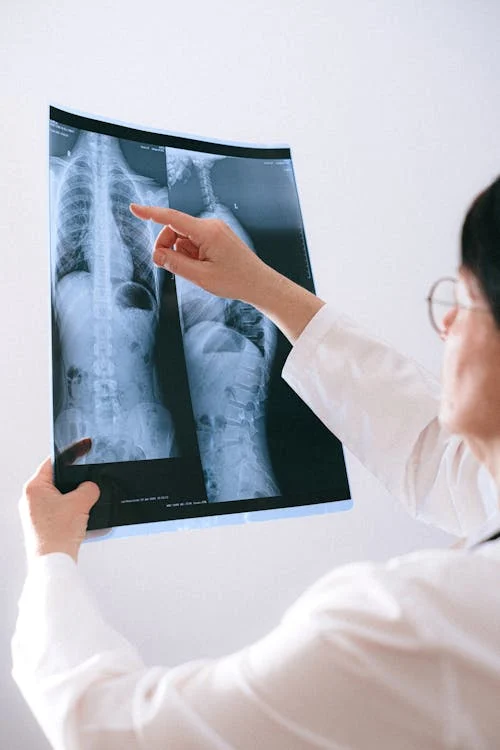
- Offering additional tests (like X-rays, MRI scans, or diagnostic injections) to get a clearer picture of what’s going on
- Helping to reduce or manage your pain with a mix of:
- Medications
- Physical therapy or exercises
- Minimally invasive procedures (non-surgical treatments)
In some cases, if surgery becomes necessary, you may be referred to other doctors such as a Neurologist or a Spine Surgeon.
What Tests Do I Need?
When it comes to diagnosing back pain, the tests you'll need depend on what your doctor uncovers during your initial evaluation. Based on your symptoms and physical exam, common tests might include:
- Blood tests to check for any underlying conditions
- Ultrasound imaging to get a closer look at soft tissues
- Radiology exams, like X-rays, MRI scans, or CT scans, to visualize bones and organs
- Nerve conduction studies to assess how well your nerves are working
- Diagnostic blocks, where targeted injections are used to pinpoint the exact source of your pain
These tests provide valuable insights that help your doctor develop the best plan to get you back on track.
How Is Back Pain Treated?
Back pain can have many causes, so there is no single treatment that works for everyone. For most people, the pain will resolve on its own within one to two weeks. In these cases, all you may need are over-the-counter pain relievers like ibuprofen or paracetamol to help manage the discomfort.
However, if your back pain persists or becomes more severe, your treatment plan will be tailored based on what your pain specialist discovers during your consultation. Common back pain treatment options available at our Singapore clinic include:
- Medications: To reduce pain and inflammation
- Exercises: Targeted stretches and strengthening routines to support your spine
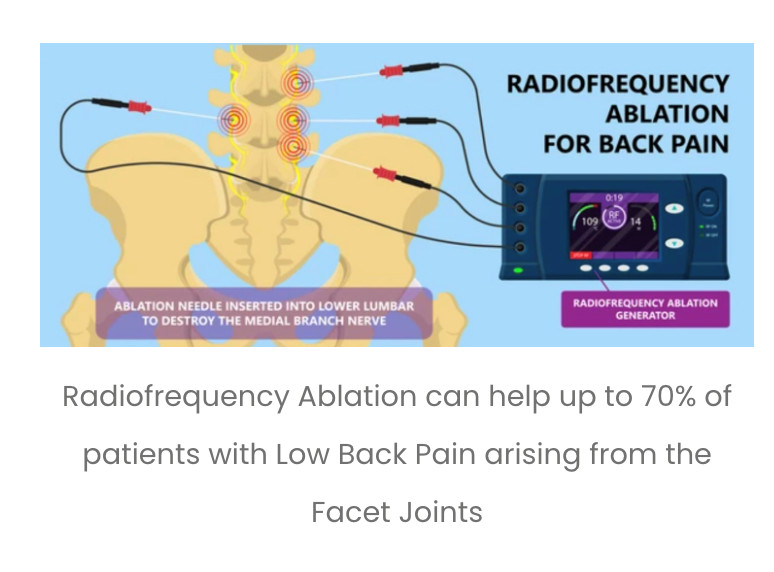
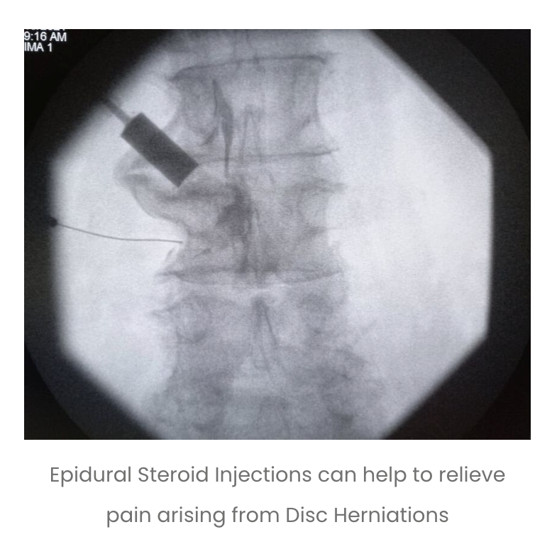
- Minimally invasive procedures: Non-surgical back pain treatment options like injections or therapies to relieve pain and promote healing
If your condition requires advanced care, your pain specialist may refer you to a neurologist or spine surgeon. Early intervention with a personalised plan can help you feel better and return to daily activities.
How Can I Avoid Surgery?
Most back pain patients find relief through medications, exercises, and minimally invasive procedures without the need for surgery. Surgery is only considered if all non-surgical options have been explored.
Prevent Back Pain from Worsening or Relapsing
If you're looking to avoid a relapse or worsening of your back pain, it’s all about making smart, everyday choices to protect your spine. Here are some key strategies to help you manage and reduce your risk of back pain flare-ups:
- 1. Maintain Good Posture: Standing and sitting with proper posture helps reduce strain on your spine and muscles. Keep your back straight, shoulders back, and avoid slouching.
- 2. Exercise Regularly: Engage in core-strengthening exercises, stretching routines, and low-impact aerobic activities like walking, swimming, or cycling. These exercises support your spine and improve flexibility, making it easier to avoid back pain.
- 3. Avoid Prolonged Sitting: Sitting for long periods can put extra pressure on your back. Get up, stretch, or take a short walk every 30 minutes to keep your spine active and healthy.
- 4. Lift Properly: When lifting objects, bend at your knees—not your back—and keep the object close to your body to reduce strain on your spine.
- 5. Maintain a Healthy Weight: Extra weight puts additional pressure on your lower back. Eating a balanced diet and staying active can help you maintain a healthy weight and reduce your risk of back pain.
- 6. Use Proper Body Mechanics: Pay attention to how you move throughout the day. Whether bending, lifting, or even sleeping, practicing good body mechanics helps keep your spine aligned and pain-free.
- 7. Manage Stress: Stress can cause tension in your muscles, which may lead to back pain. Try relaxation techniques such as deep breathing, meditation, or yoga to reduce stress levels.
- 8. Listen to Your Body: If you start to feel stiffness, discomfort, or fatigue, it’s important to listen to your body. Take breaks when necessary and don’t push through pain. Early intervention can help prevent further injury.
Take the First Step Towards a Pain-Free Back
Dr Christopher Liu is an experienced back pain specialist in Singapore, with a focus on conditions such as slipped disc and sciatica. He offers personalised slipped disc and sciatica treatment in Singapore, including procedures like nucleoplasty and annuloplasty, with minimally invasive options for relief at Alleviate Pain Clinic. Book a consultation today to start your journey towards lasting relief.
FAQ
When should I see a doctor for my back pain?
If your back pain lasts more than 2 weeks, keeps coming back, or is accompanied by symptoms such as leg numbness or weakness, it is worth seeing a back pain specialist. At Alleviate Pain Clinic in Singapore, we can help identify the cause and recommend the right treatment.
What is the most common cause of lower back pain?
Common causes include muscle strain, poor posture, disc problems, and general wear and tear. If your lower back pain is not improving, our doctor in Singapore can run the appropriate tests to determine the cause.
Can a slipped disc heal without surgery?
Yes, many cases can be managed with non-surgical options such as medication, physiotherapy, and minimally invasive procedures. At our clinic, slipped disc treatment typically starts with conservative approaches before surgery is considered.
What is sciatica and how is it treated?
Sciatica is pain that travels from the lower back down through the leg, usually caused by a compressed nerve. Sciatica treatment options at our Singapore clinic include medication, physiotherapy, and targeted injections tailored to your condition.
How can I prevent my back pain from coming back?
Regular exercise, good posture, proper lifting techniques, and maintaining a healthy weight can all help. Our team at Alleviate Pain Clinic in Singapore can guide you on a back pain treatment plan to manage your condition long-term.
Understand Symptoms, Causes, and Solutions of Frozen Shoulder
What is Frozen Shoulder?
The shoulder joint is where the shoulder blade (the bone in your upper back) and the upper arm bone meet. It's surrounded by a protective covering called a joint capsule, and inside it is a slippery fluid called synovial fluid. This fluid helps the shoulder move smoothly and without pain. The exact cause of frozen shoulder isn't fully understood, but it’s believed to involve both inflammation and the thickening of the tissue around the shoulder joint. This makes the shoulder stiff and painful, limiting its movement. It often happens without any obvious reason, but it can sometimes develop after an injury or when the shoulder is kept still for a long time (like when wearing a sling after a fracture).
What are the risk factors for frozen shoulder?
The following factors can increase the risk of developing frozen shoulder:
- Keeping the shoulder still for a long time (like wearing a sling)
- Rotator cuff problems
- Being less mobile because of an illness (like after a stroke or surgery)
- Health conditions like diabetes or thyroid problems
- Parkinson's disease
- Gender (women are more likely to get it than men)
- Age (it’s more common in people over 40)
What are the symptoms of frozen shoulder?
People with frozen shoulder often notice pain and stiffness in the shoulder that develops slowly over time. For many, the pain gets worse at night, making it hard to sleep on the affected side. Along with the pain, they may find it difficult to move the shoulder in different directions, which can interfere with daily tasks. The condition usually gets worse in stages, but not everyone will go through the stages in the same way. Stages of Frozen Shoulder:
- Freezing Stage (about 3 months) – This stage is mainly marked by pain, and the shoulder becomes harder to move.
- Frozen Stage (about 3 to 9 months) – The pain starts to go down, but the shoulder stays very stiff and still difficult to move.
- Thawing Stage – The shoulder gradually starts moving more easily, and everyday tasks get easier. Pain and stiffness usually improve, but there's a chance the problem could come back.
How do doctors diagnose this condition?
Frozen shoulder (also called adhesive capsulitis) is diagnosed based on your symptoms and a physical exam by a doctor. Sometimes, if the diagnosis isn't clear, the doctor may order extra tests like an MRI or ultrasound. However, these scans aren't usually needed to confirm frozen shoulder.
What are you treatment options?
Frozen shoulder usually improves on its own, but the process can be slow and take up to 3 years. Even after it gets better, some people may still have lingering symptoms. Treatment can help speed up recovery, and there’s some evidence that people who get treatment may have better long-term movement in their shoulder. Fortunately, most people with frozen shoulder can get better with non-surgical treatments, which include:
- Exercise or physical therapy
- Shoulder joint hydrodilatation (a procedure to stretch the joint)
- Corticosteroid injections into the shoulder
- Manipulation under anesthesia (a procedure where the shoulder is gently moved while you're asleep) In rare cases, if these treatments don’t work, surgery might be considered.
What is Shoulder Hydrodilatation?
Hydrodilatation is a simple, minimally invasive treatment for frozen shoulder. It’s usually done in a clinic with a needle, although in more complex cases, it may be done in a special treatment room with X-ray guidance. The goal is to inject fluid into the shoulder joint to stretch the thickened joint capsule, help reduce inflammation and improve movement, and it can be done at any stage of the condition. This procedure is very effective. Most people see a big improvement in their shoulder's range of motion after just one injection. It not only helps with movement but also relieves pain, which is important because pain can make it harder to stretch the joint and improve mobility. Recovery is usually quick, and most patients can return to normal activities the same day. It's also recommended to do stretching exercises to help with recovery. Hydrodilatation is generally safe when done by experienced specialists, but it’s important to talk to your doctor about the benefits, risks, and other options before deciding if it’s right for you.
Visit Today
You'll know the minute you arrive this is the place. We are here to surpass your desires.

Go To Top
Chat with us